


Restricted-niche campaigns on Meta usually get more expensive as they scale. Compliance friction, account instability, rising ad costs — the bigger the spend, the worse the economics get. That’s the pattern most advertisers accept.
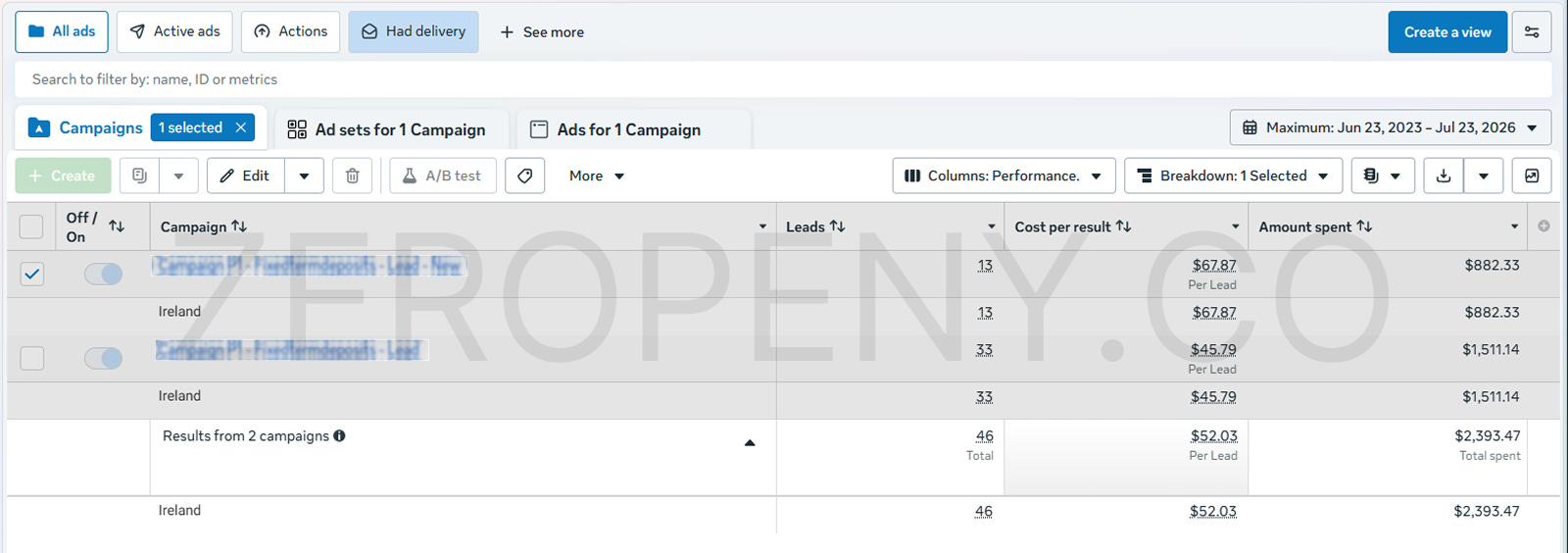
This system broke it. Across two campaign phases, CPL dropped from $67.87 to $45.79 while lead volume grew from 13 to 33. Combined: 46 leads, $2,393.47 total spend, in a regulated finance category on Meta.
CLIENT CONTEXT
The client offers a fixed-term deposit and savings product, helping consumers secure better rates on their money. Financial services advertising on Meta is a restricted category — and fixed-term deposits sit in the subset that faces the strictest scrutiny. Most agencies either avoid this niche entirely or accept that costs will climb as soon as they try to scale.

THE PROBLEM
The usual pattern in restricted niches is simple: the more you spend, the more it costs per result.
Compliance friction makes it harder to refresh ads at the pace needed to keep costs down. Account instability means campaigns get interrupted — and every interruption resets the progress the system has built. Ad costs rise as the algorithm runs out of cheap reach and moves into more competitive segments. Most advertisers in restricted finance categories watch their CPL climb steadily from the first week onward and accept it as the cost of operating in the niche.
The question wasn’t whether we could generate leads. It was whether we could scale without the economics getting worse.

We built the campaign on compliant infrastructure from day one — designed not just to survive Meta’s restrictions, but to get more efficient as spend increased.
The system was structured so that every week of data improved the next week’s performance. Ads stayed within Meta’s financial services restrictions while maintaining enough directness to convert. Scaling was progressive and controlled — budget increased only when the cost per lead supported it, not before.
The first campaign phase established the baseline. The second phase scaled spend and volume — and instead of CPL climbing with the increase, it fell. The infrastructure held, and the economics compounded instead of decaying.
The specifics of the system stay internal. What matters is the direction: scaling made it cheaper, not more expensive.
PERFORMANCE DASHBOARD
RESULTS
Phase 1:
Leads: 13
Cost Per Lead: $67.87
Amount Spent: $882.33
Phase 2:
Leads: 33
Cost Per Lead: $45.79
Amount Spent: $1,511.14
Combined Total:
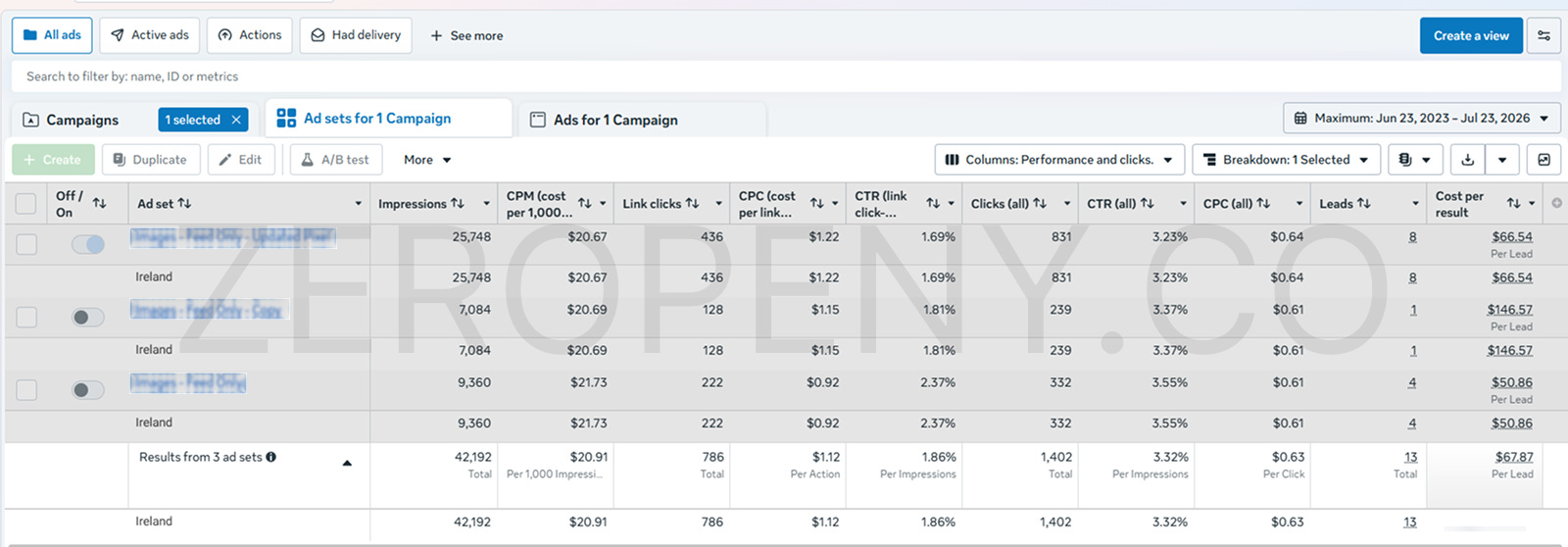
Leads: 46
Blended Cost Per Lead: $52.03
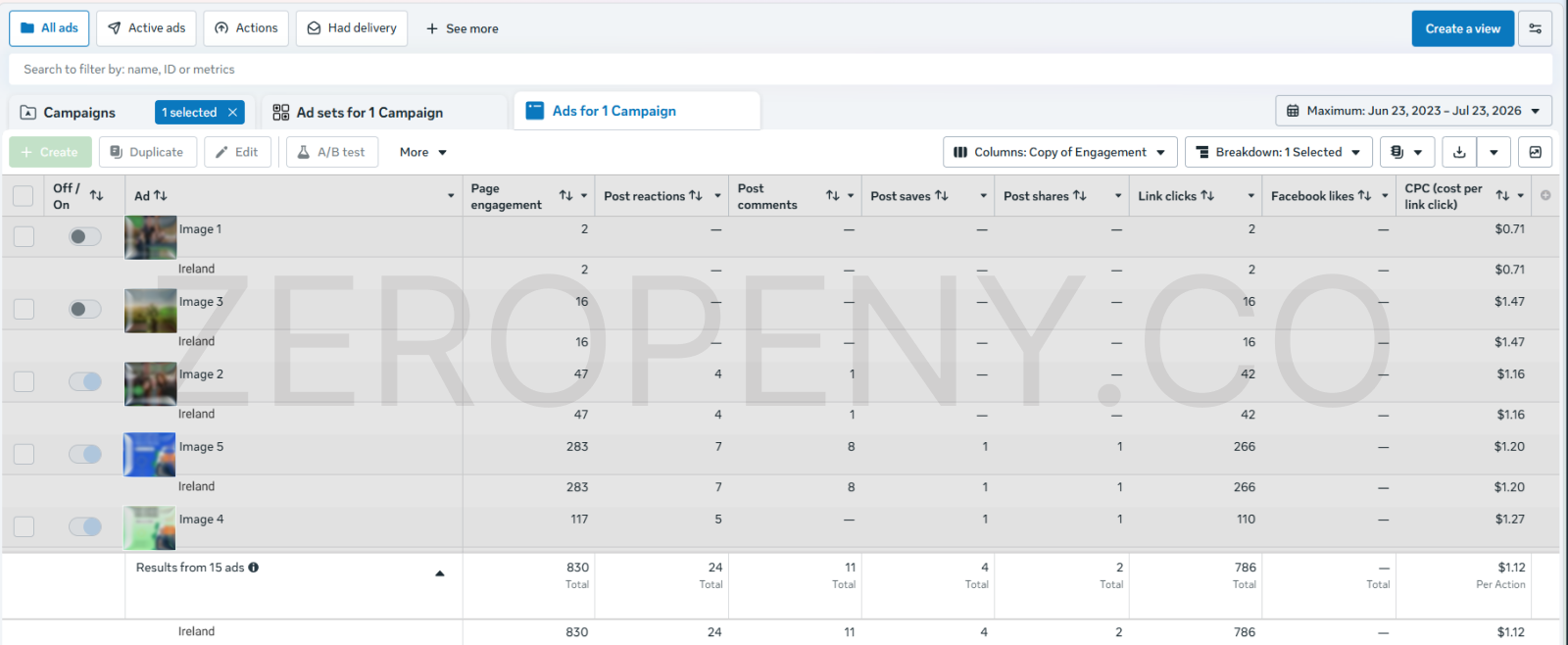
Total Spent: $2,393.47
Campaign Period: Mar 14 – May 20
CPL Change: -32% (from $67.87 to $45.79)
Lead Volume: More than tripled across both phases (13 → 46 total)
In a restricted finance category on Meta, where most campaigns get more expensive with scale — this system got cheaper.
THE TAKEAWAY
Scaling in restricted niches doesn’t have to mean rising costs. Not when the foundation is designed for efficiency at volume.
Most advertisers in regulated finance accept that CPL climbs as spend increases. They treat it as a law of the niche — more spend, worse economics. This system proved the opposite: $67.87 CPL in Phase 1 became $45.79 CPL in Phase 2 — while total output grew to 46 leads across $2,393 in spend.
The difference isn’t the platform. It’s whether the system was built to compound or just to launch.
Your CPL doesn’t have to climb every time you increase the budget. If it does, the niche isn’t the problem — the infrastructure underneath it is. One message to find out.
📩 1-tap message us:
Disclaimer: These results reflect individual case studies, not guaranteed outcomes. Performance depends on multiple variables including strategy, spend, funnel quality, and niche dynamics.